Kid-Safe Deck Concepts: Safe and Enjoyable Outdoor Spaces for Kids
Planning a family-oriented deck demands careful consideration of both safety and enjoyment for children. The ideal components and elements can create a protected setting while still supporting imaginative play. Thoughtful design elements ensure that parents can rest comfortably, knowing their kids are protected. Considering various ideas can result in a lively area that satisfies all family members. What innovative solutions can transform an conventional outdoor space into an outstanding family destination?
Choosing Safe Materials for a Family-Friendly Deck
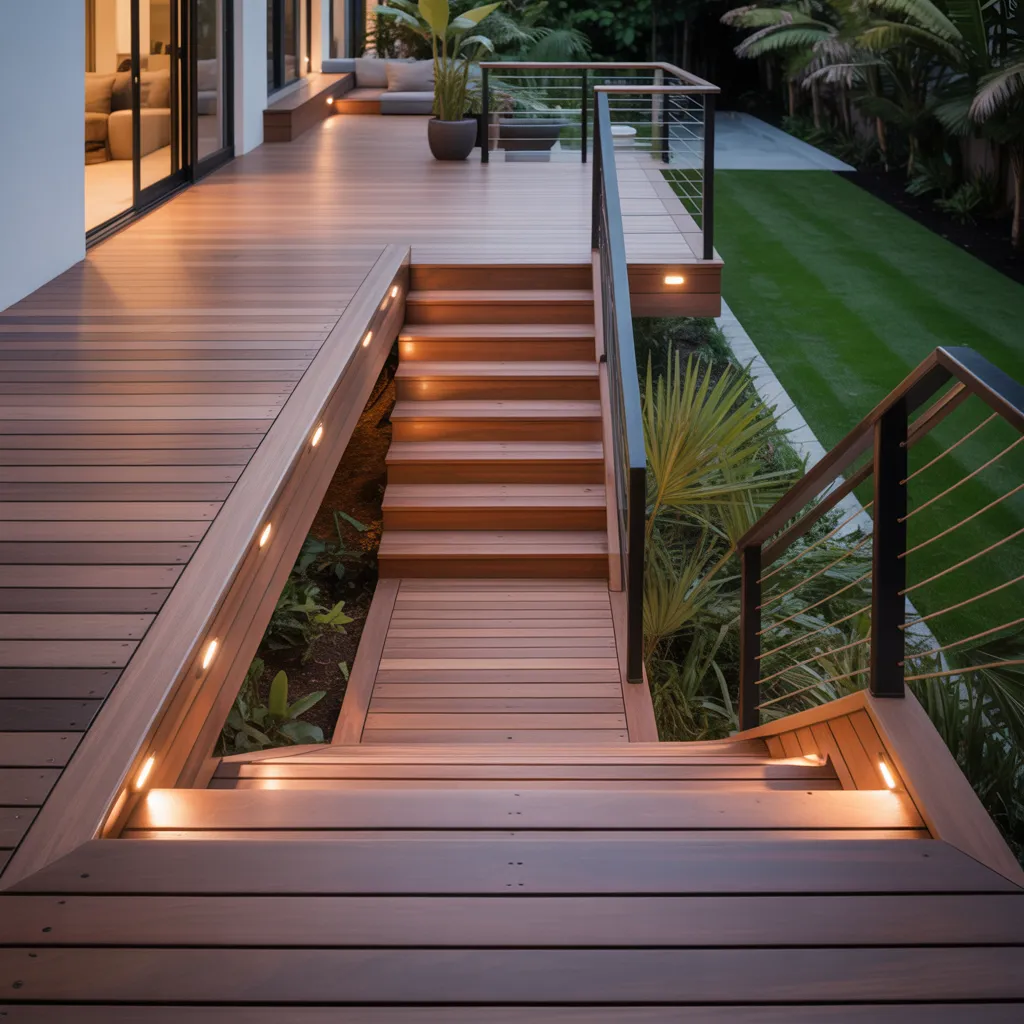
When designing a family-friendly deck, picking safe materials is critical. Parents prioritize the safety of their children, making it important to pick products that limit potential dangers. For deck construction, composite materials often stand out for their durability and resistance to splintering, which can reduce the risk of injuries. Moreover, opting for wood preserved with non-toxic preservatives guarantees that dangerous chemicals are kept out of the environment.
Railings should be robust yet structured to prevent young hands from getting stuck or scaling them. Smooth finishes are essential for preventing cuts and scrapes, and rounded corners can improve overall safety. Moreover, selecting slip-resistant finishes is critical, especially in areas prone to moisture.
At the core of it all, thoughtful selection of materials contribute to a protected outdoor setting where loved ones can share special moments, fostering both enjoyment and security as guiding values of the deck structure.
Innovative Design Concepts to Ignite Children's Imagination
Designing a kid-friendly deck includes not only protection but also nurturing children's creativity. To achieve this, parents can incorporate bright colors and playful designs that excite children's imaginations. For example, placing a chalkboard wall supports artistic expression, letting kids to draw and write freely.
Including themed zones can also inspire active play; a pirate-themed corner, featuring steering wheels and ropes, can carry children into exciting adventures. Plush, textured flooring, such as padded foam tiles, adds a tactile element that invites exploration.
Moreover, including organic elements, like a petite garden or interactive planters, can cultivate curiosity about the environment. A dedicated storytelling nook, featuring plush seating and inspiring decor, encourages young ones to get lost in beloved stories. Through the integration of these imaginative design concepts, a backyard deck can transform into a captivating space that nurtures children's creativity while prioritizing their well-being.
Entertaining Outdoor Play Ideas for Children
While a well-designed deck provides an excellent backdrop, interactive outdoor games play a vital role in keeping youngsters active and amused. Introducing activities such as cornhole and oversized Jenga helps encourage healthy rivalry, building cooperation and physical dexterity. These pursuits not only boost physical health but also improve interpersonal skills as youngsters connect and work together.
One other well-liked choice is a simple scavenger hunt, which may be adapted to all age levels. This game sparks curiosity and exploration, allowing kids to explore their environment while enjoying themselves. Moreover, classic games such as hopscotch or twister are simple to arrange on a deck, delivering hours of fun.
Incorporating a little area for chalk drawings can also encourage creative thinking, enabling kids to showcase their artistic talents. Ultimately, a variety of exciting games guarantees that the outdoor space stays vibrant and appealing, making it a beloved destination for children.
Creating Comfortable Family Spaces on Your Deck
Designing comfortable family areas on a deck requires careful planning and consideration. Comfortable seating configurations, child-safe flooring choices, and dedicated shade zones can turn an outdoor area into an inviting haven for the whole family. By incorporating these features, families can share meaningful moments outdoors while maintaining safety and ease.
Comfortable Seating Setups
A thoughtfully crafted deck can serve as a family's beloved outdoor haven, especially when comfortable seating setups encourage rest and togetherness. Including a mix of comfortable seating options, such as upholstered benches, roomy chairs, and hammocks, assures everyone has a place to unwind. Soft, weather-resistant fabrics in vibrant colors can enhance the inviting atmosphere, while throw pillows add a touch of comfort and style. Setting up chairs in a circular pattern promotes interaction, making it easier for families to connect while enjoying outdoor time. Moreover, including a sheltered zone with an umbrella or pergola can guard against outdoor conditions, guaranteeing that the space stays pleasant throughout all seasons. Careful seating configurations convert a deck into a beloved family sanctuary, designed for building timeless experiences.
Child-Safe Flooring Choices
Having arranged comfortable seating setups, focus shifts to the value of identifying family-friendly flooring materials for a residential deck. Safety and comfort are essential when young ones are enjoying outdoor activities. Long-lasting materials like composite decking or rubber tiles provide a soft surface that can cushion falls, decreasing the potential for injuries. Moreover, these options are slip-resistant, ensuring stability during play. For parents prioritizing environmentally conscious materials, sustainably sourced bamboo or repurposed wood can be simultaneously attractive and eco-conscious. Proper drainage is also a consideration; permeable surfaces that channel water away help avoid slick spots. When all factors are weighed, selecting the ideal flooring improves safety while fostering a welcoming environment for family events and fun.
Comfort and Shade Areas
What are the best ways for families to relax outdoors while staying shielded from the sun? Creating shade and comfort zones on a deck is essential for maximizing outdoor enjoyment. Families can incorporate pergolas, awnings, or large umbrellas to shield against harsh sunlight. These structures not only provide a cool retreat but also enhance the deck's aesthetic appeal. In addition, incorporating weather-resistant rugs and comfortable outdoor seating can form cozy gathering spaces where parents can watch over their kids as they enjoy themselves. Adding greenery, like container trees or trailing vines, can greatly enrich the shaded outdoor setting. By thoughtfully designing these comfort zones, families can enjoy their deck year-round, creating a safe, fun, and relaxing space for all ages.
Key Safety Features Your Deck Must Have
When planning a family-friendly deck, safety features are essential. Solid railings and gates offer essential security, while slip-resistant surface materials help avoid mishaps. Together, these elements create a secure environment for family gatherings and outdoor activities.
Strong Railings And Gates
Durable railings and gates are fundamental safety features for any family-friendly deck, ensuring that pets and children can use outdoor spaces without danger. These components offer a protective barrier that guards against accidental falls and maintains children contained within a protected area. These railings should be at least 36 inches high, made from sturdy materials, and designed with closely spaced balusters to eliminate climbing hazards. Gates should be self-closing and self-latching to restrict unwanted access, providing parents with peace of mind. Furthermore, including additional locks can improve safety, especially in homes with young children. By prioritizing durable railings and gates, families can create a safe environment that encourages outdoor play and exploration while reducing potential hazards.
Non-Slip Flooring Materials
Building a safe outdoor area for families reaches past secure railings and gates to include non-slip surface materials. These materials are essential for preventing slips and falls, especially in wet conditions. Solutions like textured composite decking, rubber pavers, and treated wood deliver both security and decorative value. Rough surfaces enhance grip, minimizing the likelihood of mishaps at play. Additionally, incorporating non-slip coatings on existing surfaces can enhance safety without the need for a complete overhaul. Families should also consider drainage solutions to minimize standing water, further improving safety. By prioritizing non-slip materials, homeowners can create an inviting outdoor space that allows children to play freely while ensuring their well-being.
How to Care for Your Kid-Friendly Deck
Keeping a family-friendly deck requires routine care to guarantee longevity and safety. Periodic assessments should be carried out to locate any loose boards or protruding nails that could present safety risks. Cleaning the deck with a mild soap mixture helps remove mildew, dirt, and mold, fostering a secure play area. Additionally, it's essential to apply fresh sealants regularly to avoid moisture damage and preserve the deck's structure.
Parents should also inspect handrails and safety barriers to ensure they are stable and sufficiently elevated to reduce the risk of falling. Regularly trimming surrounding trees and bushes can minimize the buildup of debris and increase sunlight penetration, which assists in drying out the deck following rain. Additionally, properly storing outdoor toys and gear can eliminate clutter and maintain an orderly space. By implementing these care routines, families can enjoy a safe and inviting deck for their children.
Budget-Friendly Solutions for a Family-Friendly Deck
Budget-friendly solutions can greatly elevate a family-friendly deck without breaking the bank. Basic additions like outside area rugs can designate spaces for play while providing comfort and safety. Using repurposed materials, such as crates or pallets, can generate distinctive seating and storage alternatives for kids' belongings, maintaining an orderly space.
Incorporating container plants or living walls introduces greenery without requiring extensive landscaping. Budget-conscious, warm lighting, for example outdoor string lights, helps create a comfortable, charming atmosphere for nighttime family get-togethers.
Additionally, picking cost-effective, weather-proof furnishings provides durability and ease of maintenance. A DIY sandbox crafted from low-cost timber can provide endless entertainment for children.

Questions We Often Receive
What Are the Best Plants for a Kid-Safe Deck Area?
Kid-safe deck plants include marigolds, lavender, and snapdragons, as they are non-toxic and resilient. Furthermore, ornamental grasses and ferns provide visual interest while ensuring a safe environment for children to explore and enjoy.
How Do I Add Storage for Children's Outdoor Toys?
Incorporating storage for kids' outdoor toys can be accomplished with decorative storage benches, under-deck cabinets, or weather-resistant bins. These solutions keep toys organized, promote safety, and maintain a tidy, inviting outdoor space.
What Eco-Friendly Options Are Available for Deck Materials?
Eco-friendly options for deck construction materials include composite materials made from reclaimed plastics, bamboo, and recycled wood. These selections lower environmental impact while delivering durability and attractive aesthetics, rendering them perfect for sustainable outdoor environments.
Which Age Group Benefits Most from a Deck for Children?
Decks are best suited for children between 3 and 12 years of age, as children in this age range commonly enjoy outdoor play and exploration. Design elements detailed guide and safety features should address their growth needs and lively play behaviors.
How Do I Make My Deck Railings Safe for Children?
To child-proof deck railings, one can place vertical slats with a maximum spacing of four inches, use netting or mesh barriers, and confirm that the railing stands at a minimum of 36 inches to prevent accidental falls.